





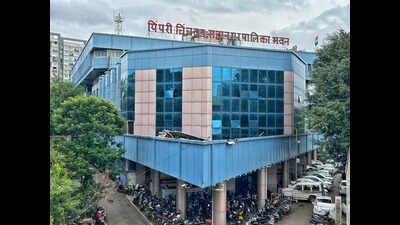
Pune: Pimpri Chinchwad projects itself as a key growth engine of the country, anchored by a strong automobile manufacturing base and its close proximity to Hinjewadi IT park, but the educational profile of its newly elected civic representatives tells a different story.Of the 128 corporators, 74 (58%) studied up to Std XII (including those who passed), while 43 (34%) had educational qualification till Std X (including those who completed), reveals data released by the municipal corporation’s election department. The data was compiled based on affidavits candidates submitted for the Jan 15 election.The data further shows except for two doctors, three engineers and two lawyers, the remaining corporators were either graduates in common streams or diploma holders. As many as 692 candidates from 32 wards were in the fray. As per the results of counting on Jan 16, BJP secured a clear majority by winning 84 seats, while NCP stood second with 37.Activists said the political dominance in Pimpri Chinchwad continues to rest with areas that were once villages, where influential communities and families with specific surnames play a decisive role in deciding the candidates for the civic election. Over the years, parties have toed the line set by these local power centres, regardless of their official stand.“It is true that though the city witnessed a rise in the number of people living in housing societies and big towers, local politics in Pimpri Chinchwad is still dominated by village ties and family relations, mainly in areas that were recognised as villages before the formation of the municipal corporation,” activist Vijay Kumbhar said. He further said a lack of interest among educated people is also one of the key reasons. “There is still a feeling among educated people that politics is a dirty game and they should not enter it. As a result, our local politics is dominated by caste and money instead of development agenda,” Kumbhar said.The Pimpri Chinchwad Municipal Corporation’s (PCMC) election department installed banners at polling stations across the city on voting day, displaying details of candidates contesting from respective wards, which included their educational qualifications, assets and criminal records. However, political analysts said the initiative had little impact on people’s voting behaviour.Political analyst Parimal Maya Sudharakar said educational qualification did not figure in the poll discourse. “It was not part of the campaign, as no party talked about it, and therefore it had little or no impact on voting,” he said.Most aspirants began campaigning well before the election was announced, and voters were familiar with them by their names and faces rather than their educational background, Sudharakar said. However, he said, it was paradoxical that a city known for its growth and strong educational ecosystem elected representatives who do not necessarily reflect that background.